
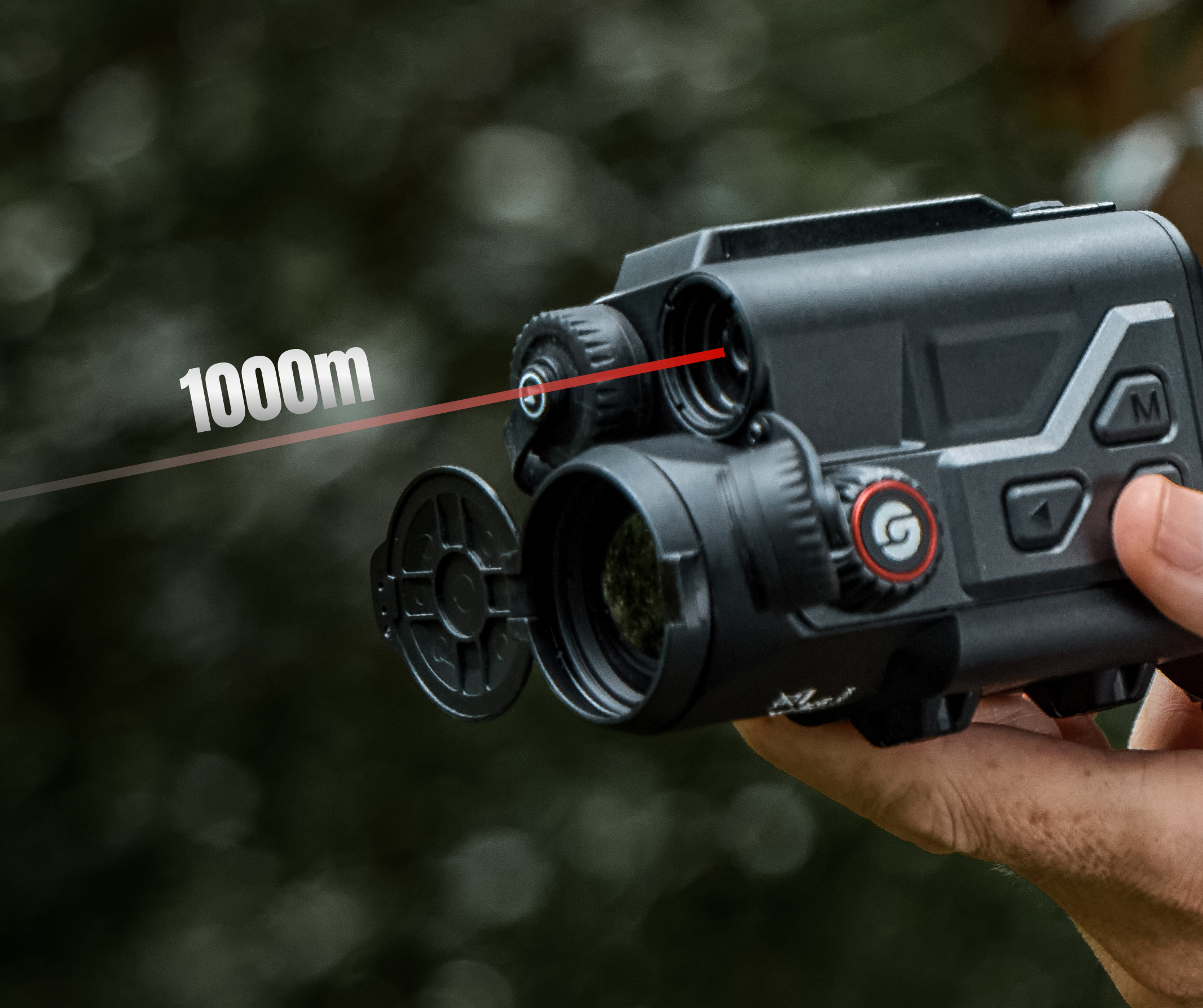
Thermal imaging cameras have become increasingly popular in industries ranging from security and law enforcement to building inspections and healthcare. These devices capture infrared radiation emitted by objects and convert it into a visual image, allowing us to “see” heat. But as their use becomes more widespread, one question arises: how accurate are thermal imaging cameras? Understanding the technology behind these devices and the factors that affect their performance is crucial for anyone relying on them for precise measurements or critical applications.
Understanding Thermal Imaging Technology
Thermal imaging cameras work by detecting infrared radiation, which is a type of energy emitted by all objects with a temperature above absolute zero. Unlike visible light cameras, thermal cameras do not require illumination and can detect heat signatures even in complete darkness. The core components of a thermal camera include a lens, a detector (sensor), and an image processing system. The detector is particularly important because it converts the infrared radiation into electronic signals, which the camera’s software then translates into a thermal image.
The accuracy of thermal imaging cameras depends largely on the quality of the detector. High-end cameras use focal plane array (FPA) detectors that provide more precise readings and higher image resolution. Lower-end devices might rely on less sensitive sensors, which can lead to less accurate results, especially when measuring small temperature differences.
Factors Affecting Accuracy
Several factors influence how accurate thermal imaging cameras are in real-world applications. First, environmental conditions play a significant role. Heat reflections, ambient temperature fluctuations, humidity, and dust particles can all affect the readings. For instance, shiny surfaces like metal may reflect infrared radiation from other objects, creating false temperature readings.
The distance between the camera and the target also affects accuracy. Thermal cameras are most precise when measuring objects within their optimal range. Objects that are too far away may appear cooler than they actually are due to the scattering of infrared radiation in the atmosphere.
Another crucial factor is the emissivity of the object being measured. Emissivity is the ability of an object to emit infrared radiation. Different materials emit radiation differently; for example, human skin has a high emissivity, while polished metals have low emissivity. Misjudging emissivity settings on the camera can result in inaccurate temperature readings.
Calibration and Maintenance
Proper calibration is essential for ensuring the accuracy of thermal imaging cameras. Most professional-grade thermal cameras come with factory calibration, but over time, sensors can drift, and performance may degrade. Periodic recalibration by a certified technician ensures that the device continues to provide precise measurements.
Maintenance also plays a role in accuracy. Dirty or scratched lenses, software glitches, and battery issues can all compromise the performance of a thermal camera. Regular inspections and cleaning are recommended, especially for cameras used in critical applications like medical diagnostics or industrial inspections.
Applications Requiring High Accuracy
Certain industries demand exceptionally high accuracy from thermal imaging cameras. In medical diagnostics, thermal cameras are used to detect fever, inflammation, or poor blood circulation. Here, even small temperature discrepancies can lead to incorrect assessments, emphasizing the need for reliable and calibrated devices.
In electrical and mechanical inspections, thermal cameras help identify overheating components, potential equipment failures, and energy losses. Inaccurate readings could result in overlooked faults or false alarms, leading to costly downtime or safety hazards.
Security and surveillance also rely on thermal cameras, though the primary focus is usually detecting human presence rather than precise temperature measurement. In these cases, while extreme temperature accuracy is less critical, reliable detection of heat signatures is still necessary.
Improving Accuracy in Practice
To improve the accuracy of thermal imaging cameras, users should follow a few best practices. First, always consider the environment. Avoid reflective surfaces or adjust the camera angle to minimize reflections. Using cameras with adjustable emissivity settings can also enhance measurement accuracy for different materials.
Maintaining the camera’s hardware and software is equally important. Regularly clean the lens, check for software updates, and schedule calibration as recommended by the manufacturer. Training operators to interpret thermal images correctly is another key step. Misinterpretation of thermal patterns can be as problematic as inaccurate measurements.
Advanced thermal cameras now incorporate features like image fusion, which overlays thermal and visible images, and radiometric analysis, which allows for precise temperature measurement at specific points. These innovations significantly enhance the accuracy of thermal imaging cameras and broaden their practical applications.
Limitations and Considerations
Despite technological advancements, thermal imaging cameras have inherent limitations. They cannot see through walls or opaque objects, and their readings are influenced by surface conditions rather than internal temperatures. For example, a thick layer of dust or frost can affect surface temperature readings and lead to misleading interpretations.
Furthermore, extreme temperature ranges can challenge some cameras. Devices designed for ambient temperature monitoring might struggle with very high or very low temperatures, resulting in less reliable data. Selecting a thermal camera suitable for your specific application is crucial to achieve optimal accuracy.
Future Developments
Thermal imaging technology continues to evolve, with research focused on enhancing sensor sensitivity, resolution, and software algorithms. Machine learning is being applied to improve image analysis and reduce false readings caused by environmental factors. As these technologies mature, the accuracy of thermal imaging cameras is expected to improve even further, making them indispensable in fields that require precision and reliability.
The integration of thermal imaging with drones, smartphones, and IoT devices is also expanding its accessibility and real-time monitoring capabilities. This democratization of thermal imaging technology allows more professionals to leverage its benefits, though understanding its limitations remains essential for accurate interpretation.
Conclusion
The accuracy of thermal imaging cameras depends on multiple factors, including sensor quality, environmental conditions, object emissivity, calibration, and user expertise. While high-end cameras can provide extremely precise temperature measurements, even the best devices require careful handling and understanding to deliver reliable results.
By considering these factors and following best practices for calibration, maintenance, and interpretation, users can maximize the effectiveness of thermal imaging cameras across a variety of applications. As technology continues to advance, thermal imaging promises even greater accuracy, making it a powerful tool for professionals in healthcare, industrial inspections, security, and beyond.