
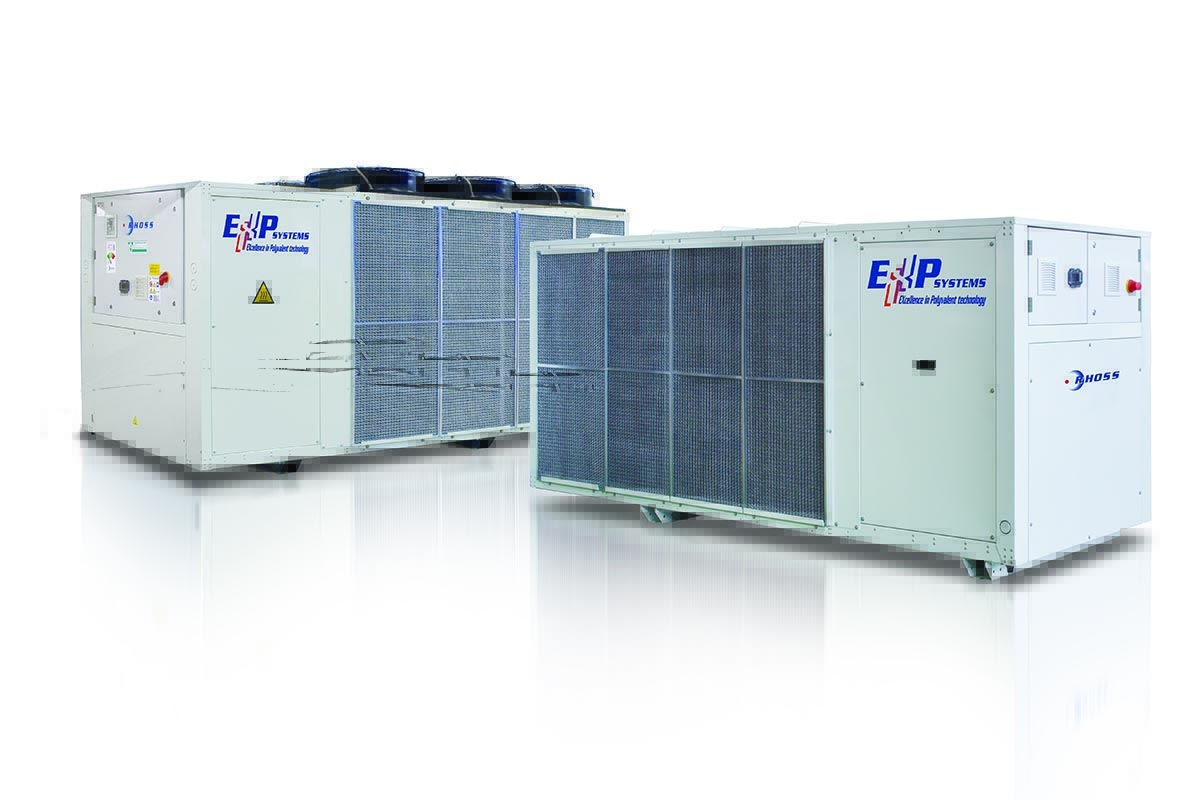
Choosing the right supplier is one of the most important decisions a business can make when entering or expanding within the heating and cooling industry. Whether you are a distributor, installer, contractor, property developer, or HVAC business, working with dependable heat pumps manufacturers can have a major impact on product quality, customer satisfaction, operating costs, and long-term growth. The right manufacturing partner can provide reliable equipment, technical support, consistent supply, and innovative solutions that help your business remain competitive.
Understand Your Business Requirements
Before searching for potential manufacturers, clearly define what your business needs. Heat pump technology covers a broad range of applications, including residential heating, commercial climate control, industrial processes, swimming pools, and water heating. Each application may require different specifications, capacities, and technical features.
Consider the type of customers you serve and the environments where the equipment will be installed. For example, a company focused on residential projects may prioritize compact air-source systems, while a commercial distributor may require larger units designed for demanding applications.
You should also determine the expected purchasing volume, preferred product range, target markets, and budget. Having clear requirements makes it easier to compare manufacturers and identify suppliers that are genuinely equipped to support your business.
Evaluate Product Quality and Performance
Product quality should be one of your highest priorities when selecting a manufacturing partner. A heat pump is a long-term investment, and poor-quality equipment can result in higher maintenance requirements, customer complaints, and warranty costs.
When evaluating heat pumps manufacturers, examine the technical specifications of their products. Important factors may include energy efficiency, heating and cooling capacity, operating temperature range, noise levels, durability, and control systems. Ask manufacturers for detailed product documentation and performance data.
It is also useful to understand how products are tested before leaving the factory. Reliable manufacturers typically have quality-control procedures covering components, assembly, performance, and safety. A structured testing process can reduce the risk of receiving inconsistent products.
Check Manufacturing Experience
Experience is another important factor when choosing a manufacturer. Companies with a long history in heat pump production may have a deeper understanding of system design, component selection, manufacturing processes, and market requirements.
However, years in business should not be the only consideration. Look at the manufacturer’s experience with products similar to those you need. A company may have extensive experience in one type of heat pump but limited knowledge of another application.
Review the manufacturer’s product portfolio and ask about previous projects. If possible, learn whether they have worked with businesses in your industry or region. This can help you assess whether their capabilities align with your requirements.
Review Certifications and Compliance
Compliance with relevant standards is essential, especially if you plan to sell or install heat pumps in international markets. Different countries and regions may have specific requirements for safety, energy efficiency, electrical performance, refrigerants, and environmental considerations.
Ask potential suppliers about the certifications and testing standards applicable to their products. Depending on your target market, documentation may include safety certifications, energy performance information, environmental compliance, or other industry-specific approvals.
A reliable manufacturer should be transparent about its certifications and provide appropriate documentation when requested. Verifying this information before placing a large order can help prevent regulatory and commercial complications later.
Consider Energy Efficiency
Energy efficiency has become increasingly important for businesses and consumers. Customers want systems that can provide effective heating and cooling without excessive energy consumption, while businesses often want to offer products that support long-term operating savings.
When comparing heat pumps manufacturers, examine efficiency ratings and performance under different operating conditions. Do not rely solely on marketing claims. Request technical data that demonstrates how the equipment performs in realistic conditions.
It is also worth considering the type of technology used in the systems. Features such as inverter-driven compressors, advanced controls, intelligent monitoring, and efficient heat exchangers may contribute to better performance. The right technology can help your business offer products that meet changing customer expectations.
Assess Manufacturing Capacity and Supply Reliability
A manufacturer may offer excellent products but still be a poor partner if it cannot maintain a dependable supply. Delays can affect your inventory, installation schedules, and customer relationships.
Ask about production capacity, standard lead times, minimum order quantities, and seasonal demand. Find out whether the manufacturer has sufficient facilities and workforce to handle your expected orders.
Supply-chain reliability is particularly important when your business is growing. A supplier that can support small initial orders but cannot scale production may create problems later. Ideally, choose a manufacturer with the capacity to grow alongside your business.
Examine Customization Options
Different businesses may have unique requirements. You may need specific branding, packaging, control systems, product configurations, or technical modifications. Some manufacturers provide private-label or OEM services, while others focus exclusively on standard products.
If customization is important to your business model, discuss your requirements early. Ask about available options, development timelines, tooling costs, and minimum order quantities.
A manufacturer with strong engineering and research capabilities may be better positioned to develop customized solutions. However, customization can increase costs and production times, so make sure the potential benefits justify the investment.
Compare Pricing and Total Value
Price is an important part of any purchasing decision, but it should not be the only factor. The cheapest equipment may not provide the best value if it has lower efficiency, shorter service life, or limited technical support.
When comparing heat pumps manufacturers, consider the total cost of ownership. This may include the initial purchase price, shipping, installation requirements, maintenance, replacement parts, warranty expenses, and energy performance.
A slightly more expensive product that offers better reliability and efficiency may deliver greater value over its lifetime. Look beyond the initial quotation and evaluate the complete commercial picture.
Investigate Warranty and After-Sales Support
Good after-sales support can make a significant difference to your business. Even high-quality products may occasionally require troubleshooting, replacement components, or technical assistance.
Before selecting a supplier, carefully review its warranty terms. Understand what is covered, how long the warranty lasts, and how warranty claims are handled. Ask about the availability of spare parts and the expected response time for technical issues.
Strong heat pumps manufacturers often provide product manuals, installation guidance, training materials, and technical support. These resources can help your team install and maintain equipment correctly while reducing service-related problems.
Check Communication and Professionalism
Communication is often overlooked during supplier selection, but it can strongly influence the success of a long-term partnership. Pay attention to how quickly and accurately a manufacturer responds to your questions.
A professional supplier should be able to provide clear information about product specifications, pricing, production schedules, certifications, and shipping arrangements. If communication is difficult before an order is placed, it may become even more challenging after you become a customer.
Look for manufacturers that assign knowledgeable representatives who understand your requirements and can provide consistent support.
Research Reputation and Customer Feedback
Before committing to a manufacturer, conduct background research. Look for information about the company’s history, production facilities, product range, and reputation within the industry.
Customer feedback can provide useful insights into product reliability, delivery performance, technical support, and warranty service. You can also ask manufacturers for references from existing business customers where appropriate.
Trade exhibitions and industry events can also be valuable opportunities to meet suppliers directly, inspect products, and discuss potential partnerships.
Build a Long-Term Partnership
Choosing a heat pump supplier should not be viewed as a one-time purchasing decision. The best relationships are built around long-term cooperation, transparency, and mutual growth.
Once you identify suitable heat pumps manufacturers, start with a structured evaluation process. Request samples or trial orders, test the products, review documentation, and assess communication before making a major commitment.
A reliable manufacturing partner can help your business maintain consistent product quality, respond to changing market demands, and develop new opportunities. By carefully evaluating product performance, certifications, production capacity, pricing, support, and reputation, you can make a more informed decision.
Ultimately, the right manufacturer is not necessarily the one offering the lowest price. It is the company that combines dependable quality, competitive value, technical expertise, reliable supply, and professional service. Taking the time to evaluate these factors carefully can help your business establish a stable supply chain and build lasting success in the growing heat pump market.