
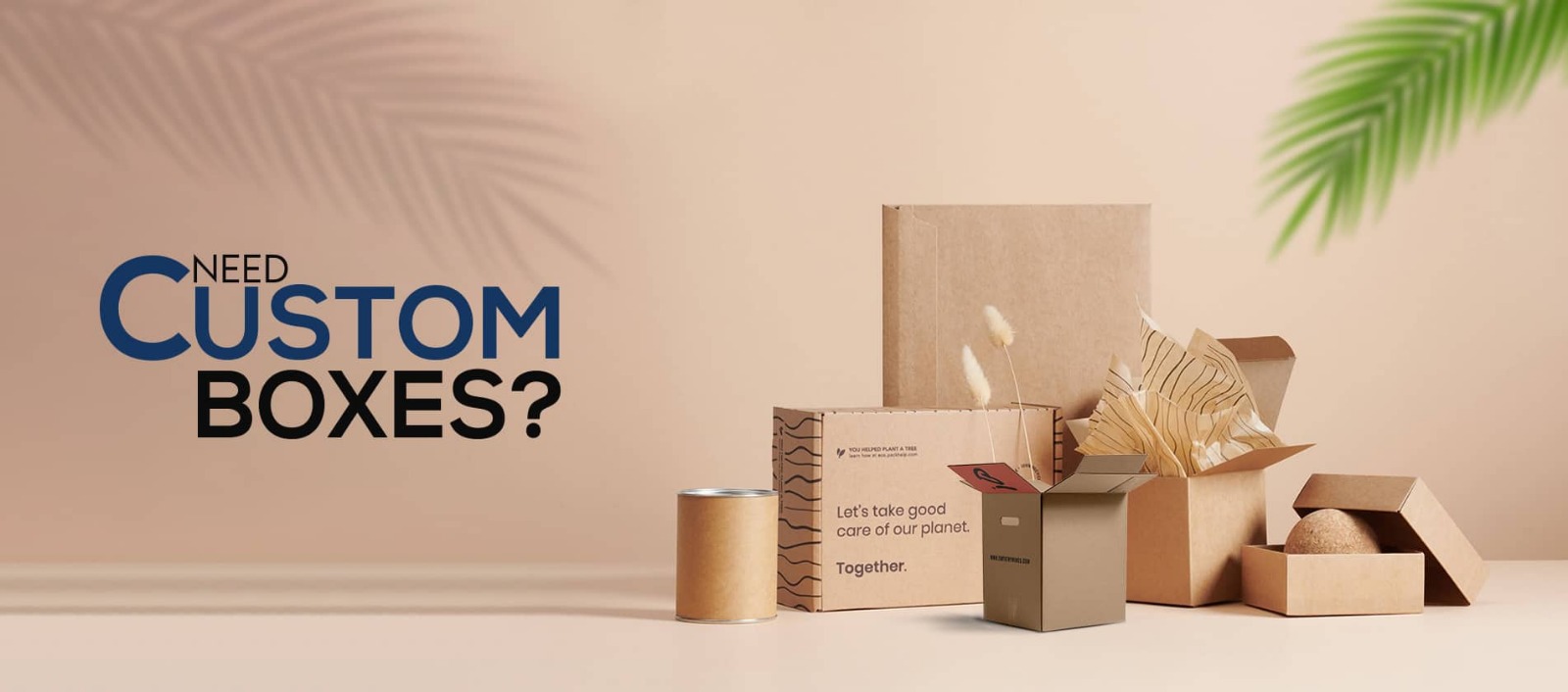
Box size and dimensions play a critical role in packaging success. Many businesses focus only on design and printing, but the physical size of a box matters just as much. A well-sized box protects the product, improves presentation, and reduces extra costs. When box dimensions are chosen carefully, packaging becomes more efficient and professional.
Why Box Size Matters in Packaging
Box size directly affects how a product is stored, shipped, and displayed. A box that is too large wastes space and materials. A box that is too small risks damaging the product. The right size creates balance and ensures the product fits securely without unnecessary movement.
First Impression Starts With the Right Dimensions
Customers notice packaging instantly. A box that fits the product perfectly feels thoughtful and premium. Oversized packaging often feels careless, while tight packaging feels uncomfortable. Proper dimensions improve the unboxing experience and leave a positive first impression.
Product Protection Depends on Box Size
Correct box dimensions help protect products during handling and transport. Extra empty space allows products to shift, increasing the risk of breakage. A snug fit reduces movement and keeps items safe from impact and vibration.
Reducing Shipping Costs With Accurate Dimensions
Shipping costs are often based on box size and weight. Larger boxes increase shipping fees even if the product is lightweight. Choosing the right box dimensions helps businesses avoid unnecessary shipping charges and reduce overall logistics costs.
Storage Efficiency and Warehouse Space
Boxes with consistent and optimized dimensions stack better. This improves warehouse organization and saves storage space. Smaller, well-sized boxes allow businesses to store more products in the same area, improving inventory management.
Importance of Internal Dimensions
Internal dimensions are just as important as external measurements. Padding, inserts, and product shape must be considered. Proper internal sizing ensures the product fits comfortably while leaving room for protection materials.
Avoiding Material Waste Through Smart Sizing
Oversized boxes use more cardboard and fillers. This increases packaging waste and cost. Smart sizing reduces material usage, making packaging more efficient and environmentally responsible.
Impact on Branding and Presentation
Box size affects how branding elements appear. Logos, text, and graphics look better on proportioned surfaces. A well-sized box enhances design clarity and improves brand visibility on shelves or during delivery.
Role of Box Dimensions in E-Commerce Packaging
In e-commerce, box size plays a major role in customer satisfaction. Smaller boxes are easier to handle and store. Right-sized packaging also reduces returns caused by damaged products during shipping.
Customer Experience and Unboxing Comfort
Customers appreciate packaging that opens easily and fits the product well. Oversized boxes with excessive fillers feel wasteful. Right-sized boxes create a smooth and enjoyable unboxing experience.
Box Dimensions and Product Stability
Stable packaging prevents products from tipping or shifting. Proper height, width, and depth keep products in place. This is especially important for fragile or oddly shaped items.
Importance of Custom Box Sizing
Custom box sizing allows businesses to match packaging exactly to their products. This improves protection, reduces waste, and enhances visual appeal. Custom sizes also help brands stand out from competitors using standard boxes.
Standard Sizes vs Custom Dimensions
Standard boxes are convenient but not always ideal. They may require extra fillers to fit products properly. Custom dimensions eliminate this problem by providing a perfect fit.
Effect on Packaging Automation
Correct box dimensions improve compatibility with packing machines. Uniform sizing speeds up packing processes and reduces errors. This increases efficiency in large-scale operations.
Sustainability Benefits of Proper Box Size
Right-sized boxes support sustainability goals. Less material, less filler, and smaller shipments reduce environmental impact. Eco-conscious consumers value businesses that minimize packaging waste.
Choosing Box Size Based on Product Type
Different products require different box sizes. Fragile items need room for cushioning. Heavy products need sturdy dimensions. Understanding product needs helps select the most effective size.
Testing Box Dimensions Before Mass Production
Testing box sizes with actual products prevents mistakes. Sample boxes help identify fit issues early. This avoids costly reprints and damaged goods.
Common Mistakes in Box Sizing
One common mistake is choosing size based only on appearance. Another is ignoring shipping and storage needs. Proper planning prevents these errors.
How Box Size Influences Overall Packaging Cost
Box dimensions affect material use, shipping, and storage. Small improvements in sizing can lead to major cost savings over time. Efficient sizing supports long-term profitability.
Importance of Consistency in Box Dimensions
Consistent box sizes improve brand recognition and logistics planning. Uniform dimensions simplify storage and shipping. Consistency also creates a professional packaging system.
Long-Term Business Benefits of Correct Box Sizing
Correct sizing improves efficiency, reduces waste, and enhances customer satisfaction. Over time, these benefits strengthen brand reputation and customer loyalty.
Final Thoughts on Box Size and Dimensions
Box size and dimensions are not minor details. They shape product safety, cost control, and customer experience. Businesses that invest time in choosing the right dimensions create packaging that performs better, looks better, and supports long-term success.