
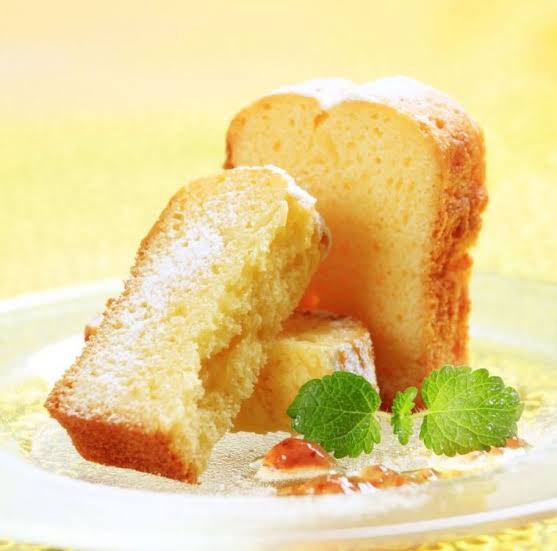
Introduction to the Art of European Sponge Cake
European baking is celebrated for its elegance, refined flavors, and timeless techniques. Among its many delightful creations, sponge cake holds a special place because of its light texture, delicate crumb, and remarkable versatility. When traditional sponge cake meets the richness of European pastry traditions, it transforms into a sophisticated dessert suitable for celebrations, afternoon tea, and memorable family gatherings.
The Lithuanian word biskvitas refers to sponge cake, a simple yet versatile foundation for countless sweet creations. Although its basic ingredients are often modest, including eggs, sugar, and flour, the results can be extraordinary when careful preparation meets creative inspiration. By incorporating European ingredients, luxurious fillings, and beautiful decorations, bakers can turn an ordinary sponge into a decadent masterpiece.
What Makes European Sponge Cake Special?
European sponge cakes are distinguished by their balance of flavor, texture, and presentation. Unlike heavier cakes that depend on large amounts of butter or oil, many traditional sponge recipes rely on whipped eggs to create their airy structure. This technique produces a delicate cake that can absorb syrups, complement creamy fillings, and support multiple layers without becoming excessively dense.
Different European countries have developed their own interpretations of sponge cake. French pâtisserie often emphasizes precise techniques and elegant layering, while Italian desserts frequently incorporate coffee, mascarpone, and rich cream. Central and Eastern European baking traditions include fruit-filled cakes, custard layers, and softly sweetened cream.
These approaches demonstrate how one basic recipe can become many different desserts. A carefully prepared biskvitas can serve as the starting point for a cake that feels both traditional and contemporary.
The Essential Ingredients for a Decadent Sponge
Fresh Eggs and Fine Sugar
Eggs are essential to creating the characteristic lightness of a classic sponge. When beaten properly, they trap air that expands during baking, helping the cake rise without requiring excessive chemical leavening. Fresh eggs at room temperature generally whip more easily than cold eggs, making preparation more predictable.
Fine sugar dissolves efficiently during mixing and helps stabilize the egg foam. The goal is to achieve a thick, pale mixture that holds its shape while remaining light enough to incorporate the remaining ingredients.
Choosing the Right Flour
Cake flour or finely milled plain flour can help create a tender crumb. Sifting the flour before adding it introduces looseness and removes lumps, allowing it to blend more evenly with the whipped eggs.
The flour should be folded into the mixture gently rather than stirred vigorously. Excessive mixing can remove the trapped air, resulting in a flat or dense cake. This simple detail often determines whether the finished sponge has the delicate texture associated with European patisserie.
Premium Flavor Enhancers
Vanilla extract, citrus zest, and a small pinch of salt can enhance the flavor without overwhelming the cake. For a richer European interpretation, bakers can introduce melted butter into suitable sponge recipes, adding tenderness and a more luxurious mouthfeel.
Chocolate, almond extract, espresso, and aromatic spices also provide opportunities to personalize the recipe. However, additional ingredients should be measured carefully to preserve the structure of the batter.
Creating the Perfect Classic Sponge
Preparing a beautiful sponge begins with organization. Preheat the oven according to the selected recipe, prepare the cake tin, and measure all ingredients before mixing. Consistent oven temperature is particularly important because sponge batter depends on its incorporated air to rise properly.
Begin by beating the eggs and sugar until the mixture becomes pale, thick, and noticeably increased in volume. Depending on the recipe and mixing method, this may take several minutes. When the whisk is lifted, the mixture should fall in ribbons that remain visible briefly on the surface.
Next, sift the flour over the egg mixture and fold it in using a spatula. Work slowly around the bowl, lifting the batter from the bottom while rotating the bowl. This technique distributes the flour while preserving as much air as possible.
Transfer the batter into the prepared tin and level it gently. Bake until the cake has risen, developed a light golden color, and springs back when touched lightly. A skewer inserted into the center should emerge clean or with only a few dry crumbs.
Allow the cake to cool appropriately before removing it from the tin. Cooling prevents unnecessary breakage and makes slicing easier when preparing layered desserts.
Adding a Luxurious European Twist
Silky Vanilla Custard and Fresh Berries
One of the simplest ways to elevate a sponge cake is to introduce a smooth vanilla custard. Its creamy consistency contrasts beautifully with the airy cake, creating a dessert that feels indulgent without becoming overwhelming.
Fresh strawberries, raspberries, blueberries, or seasonal cherries add color and natural acidity. These fruits balance the sweetness of the custard while introducing freshness to every bite.
For an elegant finish, spread custard between two or three sponge layers, arrange fresh berries around the edges, and lightly dust the top with icing sugar.
French-Inspired Chocolate Ganache
Chocolate ganache offers another decadent option. Made by combining warm cream with finely chopped chocolate, it creates a glossy filling or coating that complements the delicate sponge.
Dark chocolate provides an intense, slightly bitter flavor, while milk chocolate produces a sweeter, creamier result. A thin layer of raspberry preserve can introduce a fruity contrast that prevents the dessert from tasting excessively rich.
Pour ganache over the cooled cake and allow it to settle naturally. Chocolate curls, toasted hazelnuts, or a few fresh berries can complete the presentation.
Italian Coffee and Mascarpone Layers
For a dessert inspired by Italian flavors, combine sponge cake with mascarpone cream and a mild coffee syrup. Brush each layer lightly with the syrup, then spread a mixture of mascarpone, whipped cream, and a modest amount of sugar between the layers.
A dusting of cocoa powder adds a sophisticated finish. This variation offers familiar tiramisu-inspired flavors while retaining the structure and appearance of a traditional sponge cake.
Common Baking Mistakes and How to Avoid Them
Even a straightforward sponge recipe requires attention to detail. One common mistake is under-whipping the eggs, which prevents sufficient air from entering the batter. The resulting cake may be short, compact, and less tender.
Overmixing after adding flour creates another problem. Vigorous stirring can collapse the egg foam and develop too much gluten, reducing the cake’s lightness. Gentle folding is therefore essential.
Opening the oven door too early may also cause the cake to sink because the internal structure has not yet set. Follow the recipe’s recommended baking time and check for doneness near the end rather than repeatedly opening the oven.
Finally, avoid adding wet fillings before the sponge has cooled completely. Warm cake can cause cream to soften excessively, making the layers unstable. Cooling and assembling the cake carefully will improve both its appearance and texture.
Decorating and Serving Your European Masterpiece
Presentation is an important part of European dessert culture. A beautifully decorated cake can make a simple afternoon gathering feel special. Fortunately, elegant results do not require complicated techniques.
Fresh fruit, delicate chocolate shavings, toasted nuts, and lightly sweetened whipped cream all work well with sponge cake. For a more rustic appearance, leave the sides partially exposed so the alternating layers of cake and filling remain visible.
Serve the dessert with freshly brewed coffee, black tea, or a mild herbal infusion. The slight bitterness of coffee or tea complements the sweetness of the cake and creates a balanced tasting experience.
For celebrations, prepare the sponge in advance and add delicate decorations shortly before serving. This approach allows the flavors to develop while helping fresh ingredients retain their appearance.
Conclusion
The decadent European twist on classic sponge demonstrates how traditional baking can become an opportunity for creativity. With carefully whipped eggs, finely sifted flour, gentle mixing, and accurate baking, a simple sponge becomes a versatile foundation for sophisticated desserts.
Whether enriched with French chocolate ganache, layered with vanilla custard and berries, or inspired by Italian coffee and mascarpone, biskvitas offers endless possibilities for experimentation. Its delicate texture allows bold flavors to shine while preserving the lightness that makes sponge cake so appealing.
By respecting traditional techniques and exploring modern flavor combinations, home bakers can create desserts that look beautiful, taste exceptional, and bring a touch of European elegance to any occasion.