
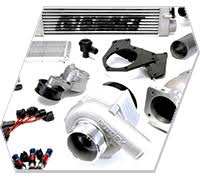
Custom tuning parts have become increasingly popular among automotive enthusiasts who want to improve their vehicles’ performance, appearance, comfort, and functionality. Whether you drive a compact car, a powerful sports car, an SUV, or a modified daily commuter, the right upgrades can help you create a vehicle that reflects your personality and driving preferences. From performance exhaust systems and suspension components to custom wheels and aerodynamic accessories, tuning offers many opportunities to personalize your driving experience.
However, successful vehicle customization requires more than simply installing aftermarket components. Understanding your goals, choosing compatible parts, setting a realistic budget, and prioritizing safety are essential steps toward achieving a reliable and satisfying result.
Understanding Custom Tuning Parts
Custom tuning parts are aftermarket components designed to modify or enhance particular aspects of a vehicle. These parts may improve engine performance, handling, braking, exterior styling, interior comfort, or overall driving convenience. Unlike standard factory equipment, aftermarket upgrades provide additional choices for drivers who want a more personalized automotive experience.
Some modifications focus on practical improvements, while others emphasize visual appeal. For example, upgraded suspension components may improve handling characteristics, whereas custom alloy wheels can give a vehicle a distinctive appearance. Performance air intake systems and exhaust upgrades may also change how an engine operates when they are properly selected and installed.
The most effective customization projects begin with a clear objective. Drivers should determine whether they want better everyday drivability, a sportier appearance, improved handling, or a combination of these benefits before purchasing individual components.
Popular Types of Custom Tuning Parts
Performance Engine Components
Engine-related upgrades are a common starting point for automotive enthusiasts. Depending on the vehicle, available options may include improved air intake systems, upgraded intercoolers, performance exhaust components, and engine management adjustments.
An upgraded intake system can influence airflow, while a properly designed exhaust system may change exhaust flow and engine sound. Electronic engine tuning can also adjust certain operating parameters to support specific performance goals.
However, individual components do not always deliver the advertised results when installed independently. Engine modifications should work together as a complete system, and any electronic tuning should remain within the safe operating limits of the engine and supporting components.
Custom Wheels and Tires
Wheels and tires can significantly influence both a vehicle’s appearance and its driving characteristics. Custom alloy wheels are available in numerous finishes, designs, and sizes, allowing drivers to create anything from a subtle factory-inspired look to a more distinctive sporting style.
Choosing suitable tires is equally important. Tire grip, ride comfort, wet-weather performance, and road noise all contribute to the overall driving experience.
When selecting custom wheels, owners should verify the correct diameter, width, offset, bolt pattern, and load rating. The chosen combination must also provide adequate clearance for suspension components and brakes. Appropriate tires and correct fitment help maintain safe handling and dependable performance.
Suspension and Handling Upgrades
Suspension tuning is particularly useful for drivers who want to refine steering response, cornering behavior, or ride characteristics. Popular options include performance dampers, upgraded springs, adjustable coilover systems, and selected suspension bushings.
Lowering springs can change a vehicle’s stance, while suitable dampers may improve body control. Adjustable systems provide additional flexibility, although their settings require careful consideration to preserve comfort and predictable handling.
Excessive lowering can reduce ground clearance, affect suspension geometry, and create clearance problems. Professional installation and wheel alignment are therefore important parts of a suspension upgrade.
Exhaust Systems and Sound Improvements
An aftermarket exhaust system can provide a different appearance, sound, and potentially improved engine breathing when appropriately engineered. Options range from replacement rear sections to more extensive systems designed for particular vehicle applications.
Before choosing an exhaust upgrade, consider its sound level, material quality, corrosion resistance, and compatibility with the original emissions equipment. Excessively loud systems may violate local noise regulations, while improper modifications can negatively affect emissions compliance or vehicle performance.
A balanced exhaust setup should complement the engine rather than prioritize sound at the expense of everyday usability.
Exterior Styling and Aerodynamic Accessories
Exterior modifications help drivers establish a distinctive visual identity. Common options include front splitters, side skirts, rear spoilers, body kits, grille replacements, and custom lighting components.
These upgrades can create a cleaner, sportier, or more aggressive appearance. Some aerodynamic components are also designed to influence airflow, but their actual benefits depend on the design, vehicle speed, and installation quality.
Drivers should avoid assuming that every decorative spoiler or body kit improves performance. Secure mounting, adequate ground clearance, and compliance with local vehicle regulations remain important considerations.
Benefits of Personalizing Your Vehicle
Creating a Unique Appearance
One of the biggest advantages of custom tuning parts is the ability to create a vehicle that stands out. Color-matched accessories, distinctive wheels, subtle body modifications, and carefully selected interior details can give an otherwise standard vehicle an individual character.
Personalization does not necessarily require dramatic changes. A coordinated selection of high-quality components can create an attractive result without making the vehicle difficult to maintain or use.
Improving Driving Experience
Well-planned upgrades can make driving more enjoyable by refining steering response, improving tire grip, enhancing braking performance, or creating a more comfortable cabin.
For example, suitable tires may offer better traction in appropriate conditions, while quality suspension components can improve control over uneven surfaces. The benefits depend on the vehicle, component quality, road conditions, and installation.
It is important to remember that modifications should support predictable handling and reliable operation rather than encourage unsafe driving.
Supporting Practical Functionality
Not every upgrade needs to focus on speed or appearance. Practical accessories such as improved lighting, protective floor mats, storage solutions, and ergonomic interior components can make a vehicle more convenient.
Drivers who use their cars daily may benefit more from comfort, durability, and usability improvements than from extensive engine modifications. Choosing parts according to real driving needs helps ensure that customization remains worthwhile over time.
How to Choose the Right Custom Tuning Parts
Identify Your Main Objective
Start by deciding what you want to achieve. If appearance is your priority, explore wheel designs, exterior accessories, and interior finishes. If you want improved handling, research tires, suspension components, and brake upgrades. If engine performance is your goal, investigate compatible components and the supporting modifications they may require.
Having a defined objective prevents unnecessary purchases and makes it easier to compare available options.
Check Compatibility and Quality
Vehicle compatibility is essential when buying aftermarket components. Even parts that appear similar may differ in dimensions, mounting points, electronic requirements, or operating limits.
Check the vehicle’s make, model, production year, engine configuration, and trim level before ordering. Choose products from reputable manufacturers that provide clear specifications, installation guidance, and appropriate warranty information.
Quality should take priority over an unusually low price, especially for components associated with braking, steering, suspension, tires, or engine operation.
Establish a Realistic Budget
A customization budget should include more than the purchase price of the parts. Installation labor, additional hardware, wheel alignment, software calibration, maintenance, and possible replacement components can increase the total cost.
It is often better to complete a few well-planned upgrades than to purchase numerous inexpensive accessories that do not work well together. Prioritize modifications that deliver the greatest value for your intended use.
Consider Professional Installation
Some accessories are relatively simple to install, while mechanical and electronic upgrades may require specialist tools and technical knowledge. Incorrect installation can cause premature wear, component failure, or safety problems.
A qualified technician can help verify compatibility, install parts correctly, and identify additional adjustments that may be necessary. Professional assistance is especially valuable for suspension work, braking modifications, engine tuning, and complex electrical installations.
Balancing Performance, Comfort, and Reliability
A successful tuning project should consider the entire vehicle rather than treating every modification as an isolated improvement. Increasing engine output, for example, may place additional demands on cooling, transmission, tires, and braking systems.
Similarly, choosing extremely firm suspension settings may improve certain handling characteristics but reduce ride comfort on ordinary roads. Larger wheels may enhance styling while increasing replacement costs or affecting ride quality.
The goal is to find a suitable balance between performance, comfort, durability, and affordability. Drivers should also consider fuel consumption, maintenance requirements, insurance implications, and any effect on the manufacturer’s warranty.
A carefully coordinated setup is generally more practical than a collection of modifications selected without considering how they interact.
Maintaining Your Modified Vehicle
Regular maintenance helps protect the investment made in custom tuning parts. After installation, follow the manufacturer’s recommendations for inspection, servicing, and replacement intervals.
Check tire pressure and wear regularly, inspect suspension components for damage, and pay attention to unusual noises or changes in handling. Performance components may have different maintenance requirements from standard factory equipment, so keeping installation records and product documentation is useful.
Engine modifications may also require more frequent monitoring of operating temperatures, fluid condition, or other relevant parameters. Addressing small problems early can help prevent expensive repairs.
Vehicle owners should additionally confirm that modifications comply with applicable roadworthiness, emissions, lighting, and noise requirements.
Common Mistakes to Avoid
One common mistake is choosing parts based only on appearance or advertised performance claims. A component that works well on one vehicle may not be appropriate for another.
Another mistake is installing several modifications simultaneously without understanding their individual effects. Making changes in stages allows drivers to evaluate results and identify problems more easily.
Ignoring compatibility, overlooking installation costs, and neglecting maintenance can also undermine an otherwise promising project. Finally, modifications should never compromise essential safety systems or make the vehicle unpredictable in normal driving conditions.
Research, professional advice, and a practical upgrade plan can help avoid these issues.
Conclusion
Custom tuning parts provide an exciting way to transform a vehicle through personalized upgrades that improve its appearance, functionality, and driving characteristics. From custom wheels and suspension components to engine upgrades, exhaust systems, and interior accessories, there are options for a wide range of budgets and preferences.
The key to achieving satisfying results is to select compatible, high-quality components that support a clear objective. Drivers should consider safety, installation requirements, maintenance, legal compliance, and long-term costs before making modifications.
With thoughtful planning and appropriate professional support, vehicle customization can become a rewarding process that reflects individual style while preserving reliability and everyday practicality. The best upgrades are not necessarily the most expensive or dramatic; they are the ones that make the vehicle better suited to its owner’s needs.