
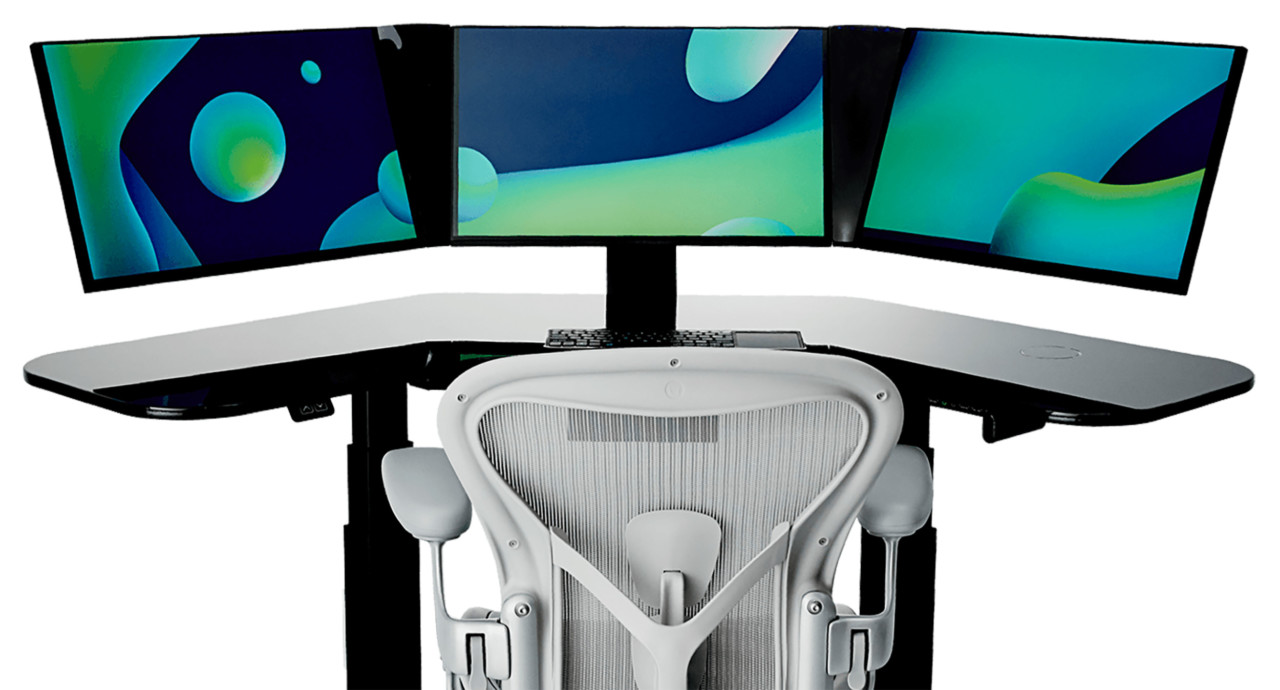
A modern office is no longer just a desk, chair, computer, and a few accessories. As work environments become increasingly digital, people are looking for ways to make their workspaces more organized, comfortable, and visually engaging. One simple addition that can transform an ordinary workstation is a smart desk display. By combining useful information with customizable visuals, a smart desk display can make a workspace feel more personal while also supporting everyday productivity.
Whether you work from home, manage a creative studio, or spend long hours in a professional office, the right desk setup can influence how you approach your daily responsibilities. A thoughtfully selected display can provide information at a glance, add personality to your surroundings, and create a more enjoyable atmosphere without taking up much space.
What Makes a Smart Desk Display Useful?
A smart desk display is designed to bring digital information into a convenient, visible location on your desk. Instead of constantly switching between applications or checking your phone, you can use a dedicated display to show selected information.
Depending on the device and its software, users may be able to display clocks, calendars, reminders, weather information, notifications, animations, artwork, or other customized content. This makes the display useful for both practical and decorative purposes.
The biggest advantage is accessibility. Important information can remain visible without interrupting your current task. A quick glance at the display may be enough to check the time, remember an upcoming meeting, or see a personalized visual that helps make the environment more enjoyable.
Bringing Personality Into the Workspace
Many office desks look similar because they contain the same basic equipment. A monitor, keyboard, mouse, notebook, and charging accessories may be necessary, but they do not necessarily reflect the personality of the person using the space.
A smart desk display can change that.
Users can select graphics, animations, icons, text, or other visual elements that match their interests. Someone who enjoys retro technology might choose pixel-inspired graphics, while a minimalist user may prefer a simple clock or clean information layout.
This flexibility allows the workspace to become an extension of personal style. Instead of treating technology only as a productivity tool, a smart desk display can become part of the office’s visual identity.
Improving Information at a Glance
One of the most practical reasons to add a smart desk display is the ability to access information quickly. Modern work often involves multiple applications, browser tabs, communication platforms, and digital calendars. Constantly moving between them can become distracting.
A dedicated display can help reduce unnecessary interruptions by keeping selected information visible.
For example, a user could keep a clock displayed during focused work sessions, use a calendar view to monitor appointments, or display reminders for important tasks. In a shared workspace, a display could even communicate schedules or other useful information.
The goal is not to replace a computer or smartphone. Instead, it complements those devices by presenting small pieces of information in a convenient location.
Creating a More Comfortable Work Environment
Productivity is not only about completing tasks quickly. The physical and visual environment also matters. An office that feels dull or overly repetitive can become less inspiring over time, particularly for people who spend most of their day at the same workstation.
Adding a smart desk display introduces another visual element without requiring major changes to the room.
Subtle animations, changing artwork, or calming information screens can create a more dynamic atmosphere. Users can adjust the display according to their preferences and even change its appearance throughout the day.
For instance, a professional information layout may work well during office hours, while a more colorful visual theme could be used later when working on creative projects.
Supporting Better Organization
An organized desk can make it easier to concentrate. While a display cannot physically organize cables, papers, or accessories, it can contribute to a more structured digital environment.
A smart desk display can serve as a visual reminder system. Important dates, schedules, timers, and short messages can remain within view, helping users stay aware of their priorities.
This can be particularly useful for people who manage several tasks simultaneously. Instead of relying entirely on memory, users can create a visible information point that supports their workflow.
The effectiveness comes from simplicity. The display should show information that is genuinely useful rather than becoming another source of digital clutter.
Designing the Display Around Your Workflow
Every office setup has different requirements. A designer may benefit from inspirational artwork and project reminders, while a business professional may prefer calendars and meeting information. A student could use the display for study timers, schedules, or motivational graphics.
Before setting up a smart desk display, consider what information would actually improve the workday.
If time management is important, a clock and timer may be useful. If meetings dominate the schedule, calendar information may be more valuable. If creativity is the priority, customizable artwork could make the environment more inspiring.
Personalization is important because the same display can serve very different purposes depending on the user.
Making a Small Desk Feel More Dynamic
Not every office has enough room for large decorative accessories. Small desks especially require careful planning because every item competes for limited space.
A smart desk display can provide both function and decoration in a relatively compact format. Rather than adding separate objects for a clock, artwork, and information board, one device may combine several roles.
Placement also matters. The display should be positioned where it can be seen easily without blocking the computer monitor or interfering with normal desk activities.
Keeping the surrounding area relatively clear can make the display stand out while maintaining a clean appearance.
Using Visuals Without Creating Distractions
A more engaging office does not have to mean a busier office. Excessive animation, bright graphics, or constantly changing content can become distracting during demanding tasks.
The best approach is to select visuals that complement the work environment.
Static artwork, subtle animations, or simple information screens may be better for focused work. More energetic visuals can be reserved for breaks or less demanding activities.
Brightness and placement should also be considered. A display that is too bright can become uncomfortable, particularly in a dimly lit office. Adjustable settings can help users create a balanced environment.
Combining Technology With Traditional Office Elements
A smart desk display does not need to dominate the workspace. It can work alongside traditional office accessories such as notebooks, plants, desk lamps, organizers, and personal decorations.
Combining digital and physical elements can create a balanced office aesthetic. For example, a small plant can add a natural touch, while the display provides a modern digital accent. A desk lamp can improve lighting, while the display supplies useful information.
The result is a workspace that feels both functional and personal rather than overly dependent on technology.
Making the Office More Enjoyable Every Day
One of the simplest benefits of a smart desk display is that it can make the work environment more enjoyable. Small improvements can have a noticeable effect when they are experienced every day.
A personalized animation, favorite graphic, useful reminder, or attractive clock can give a workstation more character. These details may seem minor, but they can help transform a generic desk into a space that feels intentionally designed.
For remote workers, this can be especially valuable. When home and work environments overlap, creating a dedicated and visually distinctive workstation can help establish a stronger sense of separation between professional and personal activities.
Choosing the Right Features
When selecting a smart desk display, focus on features that match your actual needs rather than choosing the device with the longest feature list.
Consider display quality, size, customization options, connectivity, software support, power requirements, and ease of use. The ability to personalize content can be particularly important if the goal is to create a distinctive office environment.
It is also worth considering how often the display will be used. Someone interested primarily in decoration may prioritize visual customization, while a productivity-focused user may place greater importance on calendars, timers, notifications, and information widgets.
Conclusion
Creating a more engaging office setup does not always require expensive furniture or a complete workspace makeover. A smart desk display can introduce useful information, customizable visuals, and personal character while taking up relatively little space.
By choosing content that supports your workflow, maintaining a balanced visual style, and positioning the display carefully, you can turn an ordinary workstation into a more organized and enjoyable environment. Whether the goal is better time awareness, improved organization, creative inspiration, or simply a more personalized desk, a smart desk display offers a flexible way to combine technology and style.
The most effective office setup is one that works for the person using it. With thoughtful customization, even a small digital display can become a meaningful part of a modern workspace and make everyday work feel more engaging.