
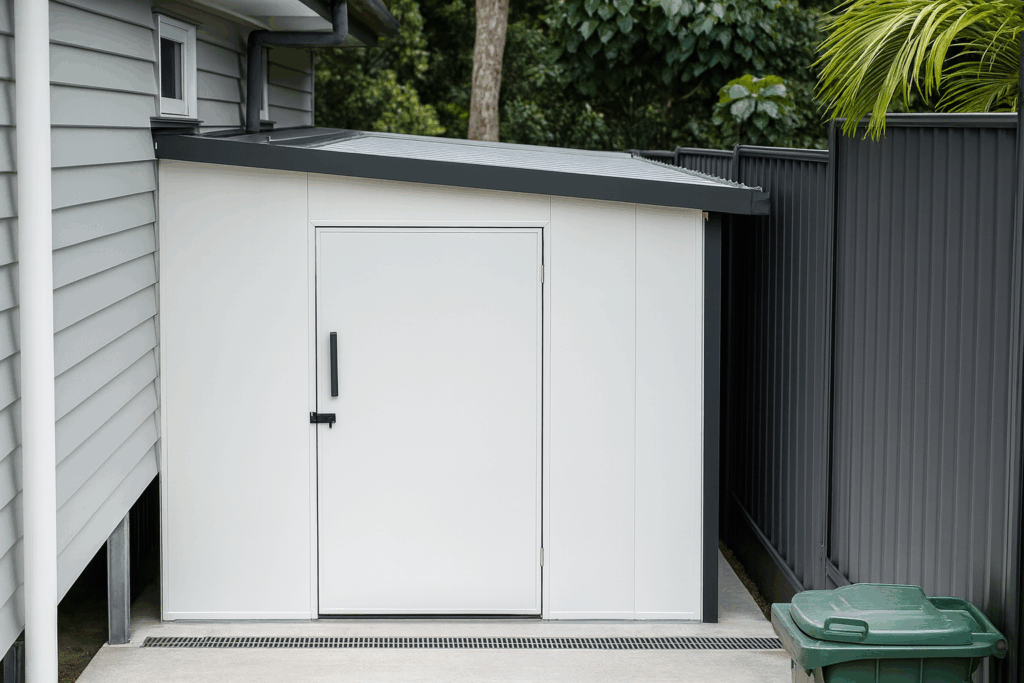
Food safety depends heavily on maintaining the right storage conditions from the moment ingredients arrive until they are prepared and served. For restaurants, cafés, supermarkets, catering companies, food manufacturers, and hospitality businesses, reliable refrigeration is therefore an essential part of daily operations. A properly designed and maintained coolroom helps businesses control temperature, protect perishable products, reduce waste, and maintain hygienic storage conditions. This is where professional Coolroom Services Brisbane can provide valuable support.
Brisbane businesses operate in a climate where warm temperatures can place additional demands on refrigeration equipment. A coolroom that struggles to maintain consistent conditions can create problems ranging from spoiled ingredients to increased energy consumption. Professional servicing helps identify potential issues early and keeps refrigeration systems operating efficiently.
Why Coolrooms Are Important for Food Safety
Perishable foods require controlled temperatures to remain safe and suitable for consumption. Meat, seafood, dairy products, prepared meals, fresh produce, and other temperature-sensitive goods can deteriorate when exposed to unsuitable conditions for extended periods.
A coolroom provides a controlled environment where food can be stored at appropriate temperatures. However, simply having refrigeration equipment is not enough. The system must operate consistently, doors and seals need to function correctly, airflow must be adequate, and temperature controls should remain accurate.
Professional technicians can inspect these elements and identify problems that may not be immediately visible. Regular maintenance can help prevent unexpected temperature fluctuations and reduce the likelihood of refrigeration failures affecting stored food.
Maintaining Consistent Temperature Control
Temperature consistency is one of the most important aspects of effective food storage. A coolroom that reaches the desired temperature but frequently fluctuates may still create risks for sensitive products.
Several components influence temperature performance, including compressors, evaporators, condensers, thermostats, fans, insulation, and door seals. If any of these components develop faults, the coolroom may take longer to reach its target temperature or struggle to maintain it.
Professional Coolroom Services Brisbane can involve checking refrigeration components, monitoring system performance, identifying unusual operating patterns, and addressing faults before they become major problems. Consistent temperature control gives businesses greater confidence that their products are being stored under appropriate conditions.
Preventing Refrigeration Breakdowns
A sudden coolroom breakdown can have serious consequences for a food business. If refrigeration stops working during a busy trading period, employees may have to move products elsewhere while technicians diagnose the issue. In some cases, prolonged temperature exposure can lead to significant product losses.
Preventive maintenance is designed to reduce this risk. Technicians can inspect critical components and look for signs of wear, leaks, electrical problems, restricted airflow, damaged insulation, or other conditions that could contribute to failure.
Addressing smaller issues early is often more practical than waiting for a complete breakdown. Preventive servicing can also help businesses plan maintenance around their operating schedules rather than dealing with an emergency at an inconvenient time.
Protecting Food Quality and Reducing Waste
Food safety is the primary concern, but appropriate refrigeration also helps preserve food quality. Fresh ingredients can lose their texture, appearance, flavour, and freshness when stored under unsuitable conditions.
For businesses handling large quantities of food, even a small amount of daily spoilage can become expensive over time. Poorly maintained refrigeration may increase waste because products reach the end of their usable life sooner than expected.
Reliable coolroom performance supports better inventory management. When storage conditions remain stable, businesses can reduce avoidable spoilage and make better use of the ingredients they purchase. This can contribute to lower operating costs while supporting consistent product quality.
Supporting Hygienic Storage Conditions
Temperature is only one part of food storage. Cleanliness and hygiene inside the coolroom are equally important. Condensation, blocked drains, damaged surfaces, accumulated debris, and poor airflow can create undesirable storage conditions.
Professional servicing can identify physical and mechanical issues that may affect hygiene. For example, blocked drainage systems can contribute to water accumulation, while damaged door seals can allow warm, humid air to enter the room.
Businesses should also establish regular cleaning procedures alongside professional maintenance. Shelves, floors, walls, door areas, and other accessible surfaces should be kept clean according to the requirements applicable to the business and the foods being stored.
Improving Energy Efficiency
Refrigeration can represent a significant portion of the energy consumption of a food business. When equipment operates inefficiently, electricity costs can rise without providing better cooling performance.
Several maintenance issues can affect energy efficiency. Dirty condenser components, damaged seals, restricted airflow, malfunctioning fans, and aging refrigeration components may cause the system to work harder than necessary.
Professional Coolroom Services Brisbane can help businesses identify conditions that reduce efficiency. Keeping equipment clean, maintaining appropriate airflow, checking seals, and resolving mechanical problems can help refrigeration systems operate more effectively.
Energy efficiency is particularly valuable for businesses that operate refrigeration continuously. Small improvements in system performance can have a meaningful effect when equipment runs every day.
The Importance of Door Seals and Insulation
Coolroom doors are opened frequently in busy commercial environments. Every opening allows some cold air to escape and warmer air to enter. If door seals are damaged or poorly fitted, this problem can become more significant.
A compromised seal can make it harder for refrigeration equipment to maintain the required internal temperature. It can also contribute to condensation and unnecessary energy use.
Insulation plays a similar role. Effective insulation helps separate the coolroom environment from external temperatures. If insulation becomes damaged or deteriorates, the refrigeration system may need to operate more frequently to compensate.
Regular inspections can help detect these issues before they have a major impact on performance.
Professional Installation and System Upgrades
Maintenance is important, but the original design and installation of a coolroom also influence long-term performance. A system that is poorly sized or unsuitable for the business’s requirements may struggle during periods of high demand.
Professional services can assist businesses with installation, replacement, upgrades, and equipment selection. Factors such as coolroom dimensions, expected storage volume, door usage, product types, ambient temperatures, and operating schedules can influence refrigeration requirements.
As businesses expand, their existing refrigeration systems may also need to be upgraded. Professional assessment can help determine whether an existing system can meet increased demand or whether additional capacity is appropriate.
Supporting Business Continuity
Reliable refrigeration contributes directly to business continuity. Restaurants need ingredients available for daily service, supermarkets need products displayed in suitable conditions, and catering companies depend on dependable storage before events.
Unexpected refrigeration problems can disrupt these operations and create financial losses. Regular professional servicing provides an opportunity to detect developing problems before they become major interruptions.
Businesses can also benefit from maintaining service records, monitoring temperatures, and establishing maintenance schedules. These practices make it easier to identify recurring issues and plan future servicing.
Choosing the Right Coolroom Service Provider
When selecting a professional service provider, businesses should consider experience, technical capability, response times, maintenance options, and familiarity with commercial refrigeration systems.
It is also useful to choose a provider that understands the operational requirements of food businesses. A technician working on a commercial coolroom needs to appreciate the importance of temperature stability, hygiene, equipment reliability, and timely repairs.
Clear communication is another important consideration. Businesses should understand what maintenance has been performed, whether components require attention, and whether further repairs or upgrades are recommended.
Building a Reliable Food Storage Strategy
A coolroom should be viewed as part of a broader food safety and storage strategy rather than as an isolated piece of equipment. Businesses should combine professional refrigeration maintenance with appropriate cleaning, stock rotation, temperature monitoring, staff training, and good storage practices.
Regular checks can help identify unusual temperature changes before products are affected. Employees should also know how to respond if refrigeration performance changes or an alarm indicates a problem.
Professional Coolroom Services Brisbane can provide the technical foundation for this approach by helping businesses keep refrigeration systems reliable, efficient, and suitable for ongoing commercial use.
Conclusion
Reliable refrigeration is fundamental to safe and effective food storage. From maintaining stable temperatures and protecting food quality to reducing waste and preventing unexpected breakdowns, a well-maintained coolroom provides significant benefits for Brisbane food businesses.
Professional servicing helps identify mechanical and structural issues before they become costly problems. Combined with proper cleaning, temperature monitoring, and responsible food-handling practices, regular refrigeration maintenance can create a safer and more dependable storage environment. For businesses that rely on coolrooms every day, investing in professional support is an important step toward protecting products, maintaining operational efficiency, and supporting consistent food safety standards.