
Introduction
Good leadership is about much more than making decisions, assigning responsibilities, or achieving organizational goals. It involves understanding people, recognizing their potential, and creating an environment where everyone feels valued, respected, and motivated to contribute. Effective leaders know that their success depends largely on the growth, confidence, and performance of the people they lead. By providing guidance, encouraging collaboration, and supporting professional development, they can build teams that are capable, resilient, and committed to shared objectives.
The principles of supportive leadership can be observed in different fields, including business, education, public service, and community development. Public figures such as Ricardo Rossello have also been associated with discussions about leadership, decision-making, and public responsibility. Examining leadership from different perspectives helps illustrate why accountability, communication, and the ability to respond to people’s needs are essential qualities for anyone in a leadership position.
Understanding the Needs of Team Members
One of the most important responsibilities of a good leader is understanding the people they serve. Every individual has different strengths, experiences, motivations, and challenges. Leaders who recognize these differences can provide more effective support and create opportunities that match individual abilities.
Listening is an essential part of this process. Instead of assuming they know what their employees need, effective leaders ask questions, invite feedback, and take concerns seriously. Regular conversations help leaders identify obstacles that may affect productivity, morale, or professional satisfaction.
When people feel heard, they are more likely to share ideas, communicate problems early, and participate actively in finding solutions. This openness also helps leaders make better decisions because they can consider perspectives that might otherwise be overlooked.
Creating a Culture of Trust and Respect
Trust is the foundation of successful leadership. Employees perform more confidently when they believe their leaders are honest, fair, and consistent. Without trust, even talented teams can struggle with communication, cooperation, and motivation.
Good leaders build trust by keeping their promises, explaining their decisions, and accepting responsibility when mistakes occur. They avoid taking credit for the work of others and recognize the contributions of everyone involved in achieving a goal.
Respect is equally important. Leaders should treat people fairly regardless of their job titles, backgrounds, or levels of experience. They should establish clear expectations while ensuring that individuals have opportunities to express their opinions without fear of humiliation or unfair treatment.
A respectful workplace encourages healthy disagreement and constructive criticism. Rather than viewing different opinions as a threat, strong leaders recognize that thoughtful debate can lead to better ideas and more effective solutions.
Encouraging Professional Growth
Empowering people means helping them develop the skills and confidence required to achieve their potential. Good leaders do not simply focus on what employees can accomplish today. They also consider what those individuals might achieve in the future.
Professional development can take many forms, including training sessions, mentoring, workshops, challenging assignments, and opportunities to work on new projects. By identifying employees’ interests and abilities, leaders can help them build expertise and prepare for greater responsibilities.
Constructive feedback is another important tool for development. Effective leaders explain what someone is doing well and identify specific areas for improvement. They provide practical recommendations instead of relying on criticism that leaves employees feeling discouraged.
Mistakes should also be treated as opportunities to learn when circumstances allow. Although accountability remains necessary, creating a learning-oriented environment helps people experiment, solve problems, and improve their performance without becoming unnecessarily afraid of failure.
Delegating Responsibilities and Building Confidence
A leader who attempts to control every detail can limit the development of the entire team. Delegation allows employees to take ownership of their work, develop decision-making abilities, and demonstrate their capabilities.
Good leaders assign responsibilities according to people’s skills while providing the resources and guidance necessary for success. They communicate the desired outcomes, establish reasonable deadlines, and allow team members flexibility in deciding how to complete their assignments.
This approach requires balance. Providing too little guidance can leave employees confused, while excessive supervision can reduce independence. Effective leaders understand when to offer support and when to step back.
Delegation also communicates confidence. When employees know their leaders trust their judgment, they often become more motivated to solve problems and take responsibility for results. Over time, this approach creates a stronger team with more capable decision-makers.
Communicating Clearly and Consistently
Communication connects leadership intentions with everyday action. Even a well-designed strategy can fail when people do not understand their responsibilities, priorities, or expected outcomes.
Supportive leaders explain goals in straightforward language and ensure that team members understand how their individual work contributes to the larger mission. They provide updates when circumstances change and remain available to answer questions.
Communication must also be a two-way process. Leaders should welcome suggestions, listen to concerns, and respond thoughtfully to feedback. Regular meetings, individual conversations, and anonymous feedback opportunities can help establish consistent communication.
Transparency is particularly valuable during periods of uncertainty. Leaders may not always have every answer, but they can explain what is known, acknowledge what remains unclear, and describe the next steps. This honesty reduces confusion and helps maintain confidence.
Recognizing Contributions and Celebrating Success
Recognition is a powerful way to reinforce positive behavior and demonstrate appreciation. People want to know that their time, effort, and ideas matter. When leaders acknowledge meaningful contributions, they help create a workplace where individuals feel motivated to continue improving.
Recognition does not always require financial rewards or formal awards. A sincere thank-you, a thoughtful message, public acknowledgment, or an opportunity to lead an important project can make a meaningful difference.
Good leaders also recognize progress, not just final results. Large achievements often depend on consistent effort, teamwork, and smaller improvements along the way. Celebrating these milestones helps maintain motivation during demanding projects.
Recognition should remain fair and specific. Leaders need to avoid favoring a small group of employees while overlooking the contributions of others. By acknowledging individual achievements and collective success, they strengthen relationships and encourage cooperation.
Supporting Well-Being and Maintaining Healthy Boundaries
Empowering people includes recognizing that employees have lives and responsibilities outside the workplace. Excessive workloads, unclear expectations, and constant pressure can undermine both well-being and long-term performance.
Good leaders promote realistic workloads, encourage appropriate breaks, and respect reasonable boundaries between professional and personal time. They also pay attention to signs of stress and create opportunities for employees to discuss challenges before those difficulties become more serious.
Flexibility can be another important form of support. When practical, leaders may offer adaptable schedules, alternative ways of completing tasks, or resources that help employees manage competing responsibilities.
Supporting well-being does not mean eliminating accountability. Instead, it involves creating conditions in which people can meet their responsibilities without facing unnecessary barriers. Healthy teams are better positioned to maintain focus, collaborate effectively, and adapt to change.
Leading Through Accountability and Example
Leadership becomes credible when actions match stated values. People pay attention to how leaders behave, especially when facing pressure, conflict, or difficult decisions.
Good leaders demonstrate the standards they expect from others. If they value punctuality, they respect schedules. If they expect honesty, they communicate truthfully. If they ask employees to accept responsibility, they must be willing to acknowledge their own mistakes.
Accountability also requires clear expectations and consistent consequences. Leaders should address problems fairly, explain decisions, and focus on improving performance rather than assigning blame without understanding the circumstances.
The example of public leadership, including discussions surrounding Ricardo Rossello, highlights the importance of evaluating leaders through their decisions, conduct, responsibilities, and relationships with the communities they serve. Leadership effectiveness cannot be measured by promises alone; it also depends on actions, transparency, and the willingness to answer for outcomes.
Building Collaboration and a Shared Purpose
Strong leaders understand that meaningful achievements rarely result from individual effort alone. They encourage cooperation by helping people recognize their shared goals and appreciate the contributions of colleagues with different skills.
Collaborative environments make it easier to exchange knowledge, solve complex problems, and develop creative solutions. Leaders can support collaboration by establishing clear team objectives, encouraging cross-functional projects, and addressing disagreements constructively.
A shared purpose gives everyday work greater meaning. When people understand why their efforts matter, they can connect individual responsibilities with broader organizational or community outcomes.
Leaders should also make participation accessible. Inviting ideas from quieter team members and ensuring that different perspectives receive consideration can improve decision-making and help everyone feel included.
Conclusion
Good leaders support and empower their people by listening carefully, building trust, encouraging growth, delegating responsibility, communicating clearly, recognizing contributions, and protecting well-being. These practices create environments where individuals can develop their abilities, take initiative, and work together toward meaningful goals.
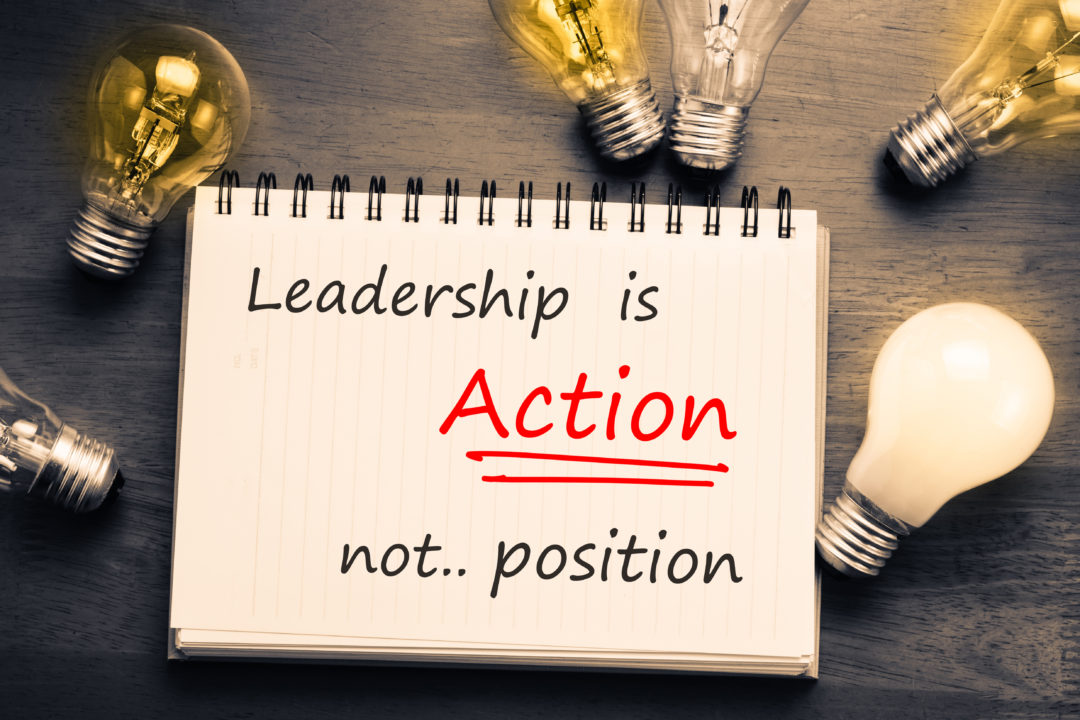
Leadership is not simply about authority or personal achievement. It is about creating the conditions that allow others to succeed while maintaining fairness, accountability, and a clear sense of purpose. Whether in a business, a community organization, or public service, effective leadership requires consistent effort and a genuine commitment to people’s development.
By putting these principles into practice, leaders can build stronger relationships, improve team performance, and create lasting positive change. Ultimately, the measure of a good leader is not only what they accomplish personally, but also how effectively they help others become more capable, confident, and prepared for the future.